Read the notice
We identify the cited condition, jurisdiction, dates, and the official path shown on the record.
Building violation help across Chicagoland
Chicago Violations helps building owners and property managers move code violations toward compliance—from notice review and corrective scope through repairs, reinspection, and official status verification. Send the property and notice details so we can identify the next practical step.
Call a lawyer for representation, defenses, appeals, or legal advice. Use a licensed trade or design professional when the cited work requires one. Use Chicago Violations when the problem is coordinating the entire corrective path.
The real problem
A violation can involve the notice, a department record, plans, permits, licensed professionals, corrective construction, access, documentation, reinspection, and a hearing or court process. Those pieces have to move in the right order.
Chicago Violations coordinates the remediation side. When a matter requires legal advice or representation, you retain counsel directly. Chicago Violations is not a law firm.
Show us the noticeHow it works
No mystery process. No handoff to a random list of trades. Each stage produces the information needed for the next one.
We identify the cited condition, jurisdiction, dates, and the official path shown on the record.
The building is assessed and the repair, permit, plan, and licensed-trade dependencies are organized.
The corrective work is coordinated with the records needed for inspection or hearing preparation.
Access, documentation, and follow-through are tracked against the applicable authority’s process.
High-value correction work
The right scope depends on the cited condition and the building. These categories show where multi-step coordination matters most.

Stop-work conditions, permit correction, plans, and required inspections.
Read the violation guide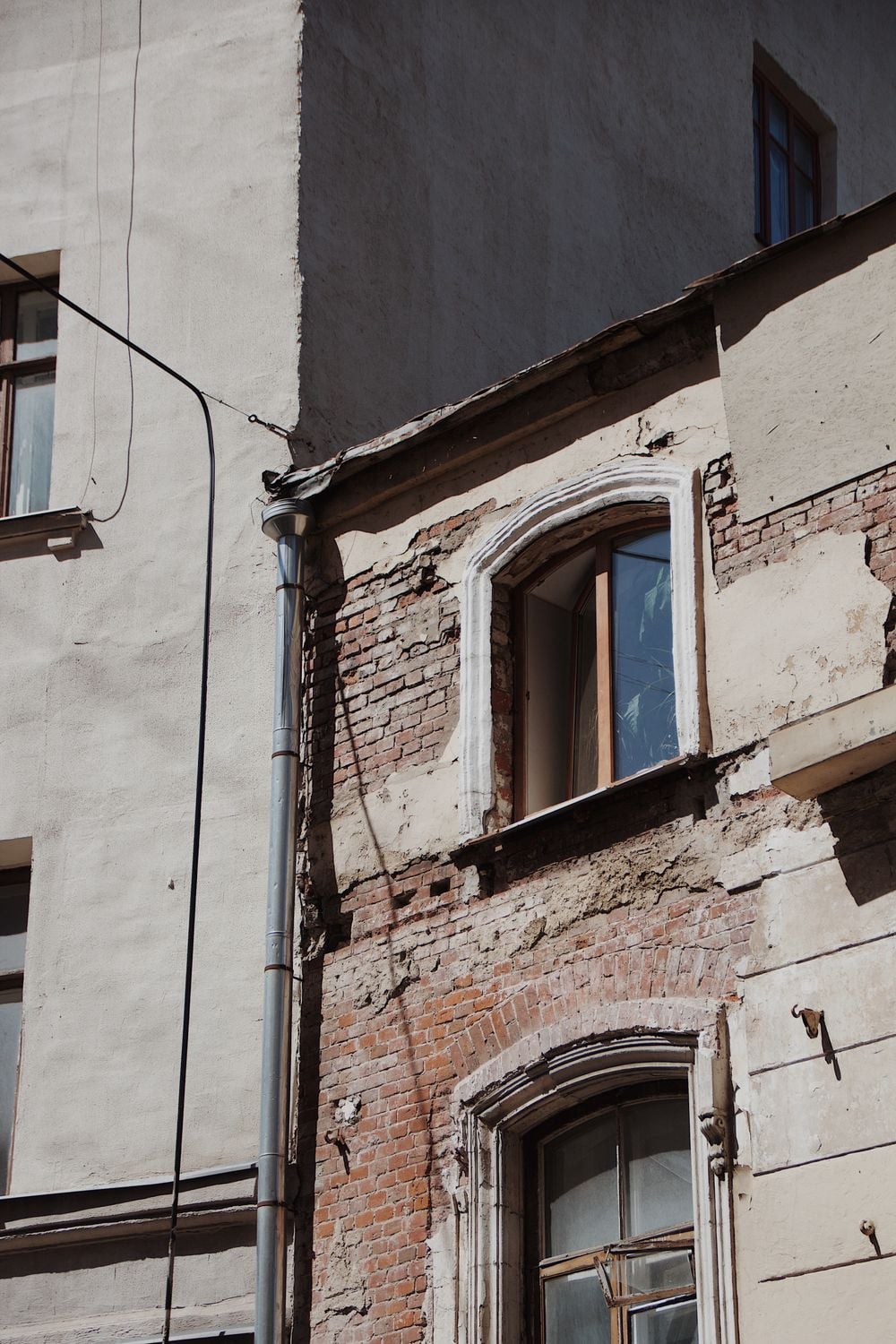
Brick, lintels, exterior walls, unsafe conditions, and critical-examination work.
Read the violation guide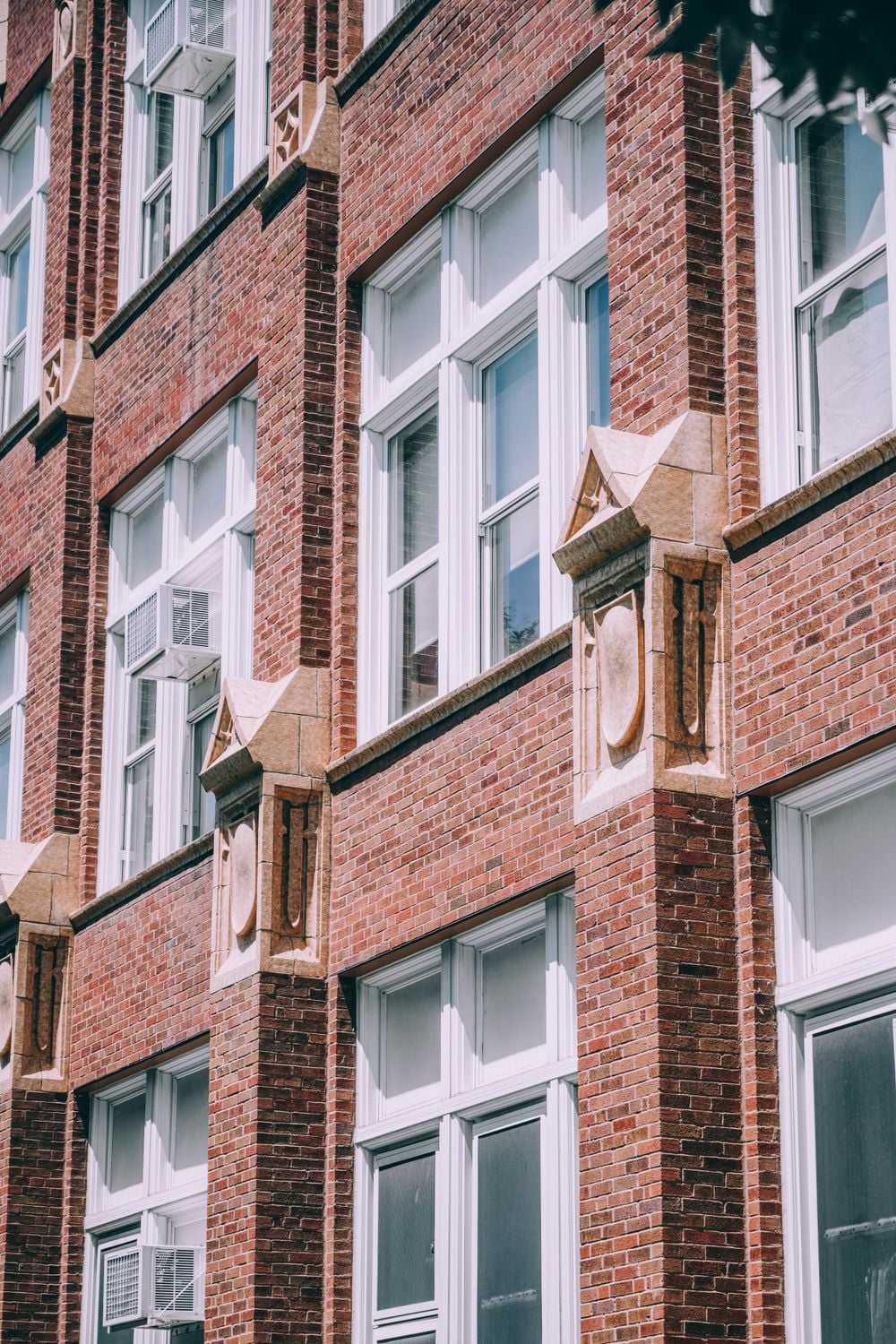
Structural correction scopes, professional review, permits, and inspection preparation.
Read the violation guide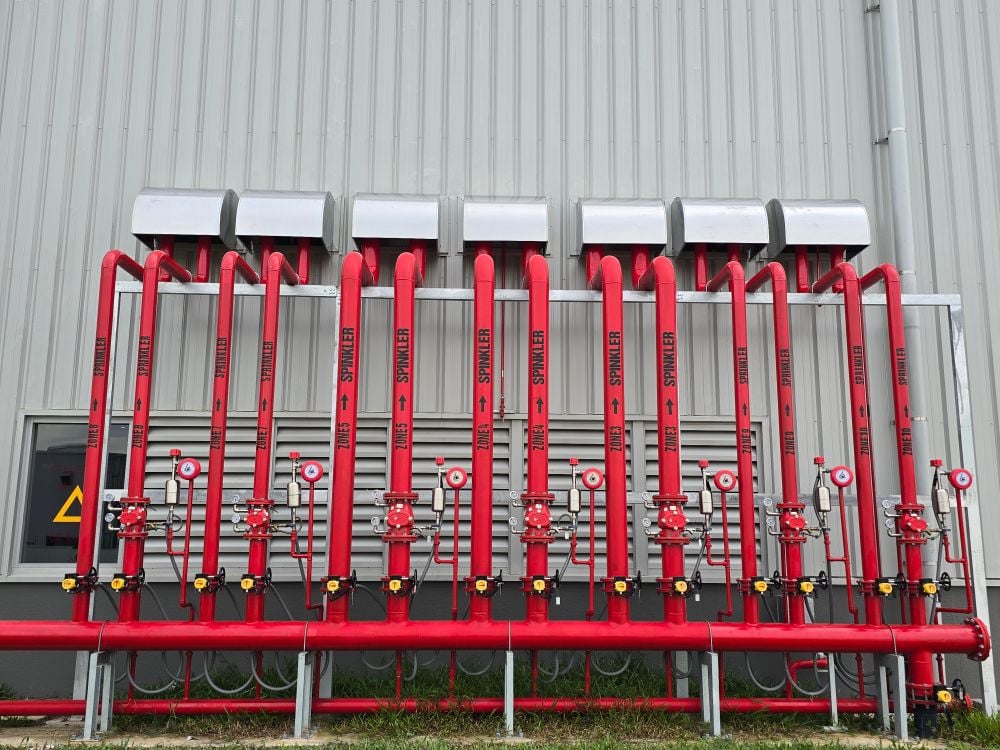
Sprinklers, alarms, exits, emergency systems, and occupied-building sequencing.
Read the violation guide
Panels, service, wiring, licensed-trade work, permits, and inspections.
Read the violation guide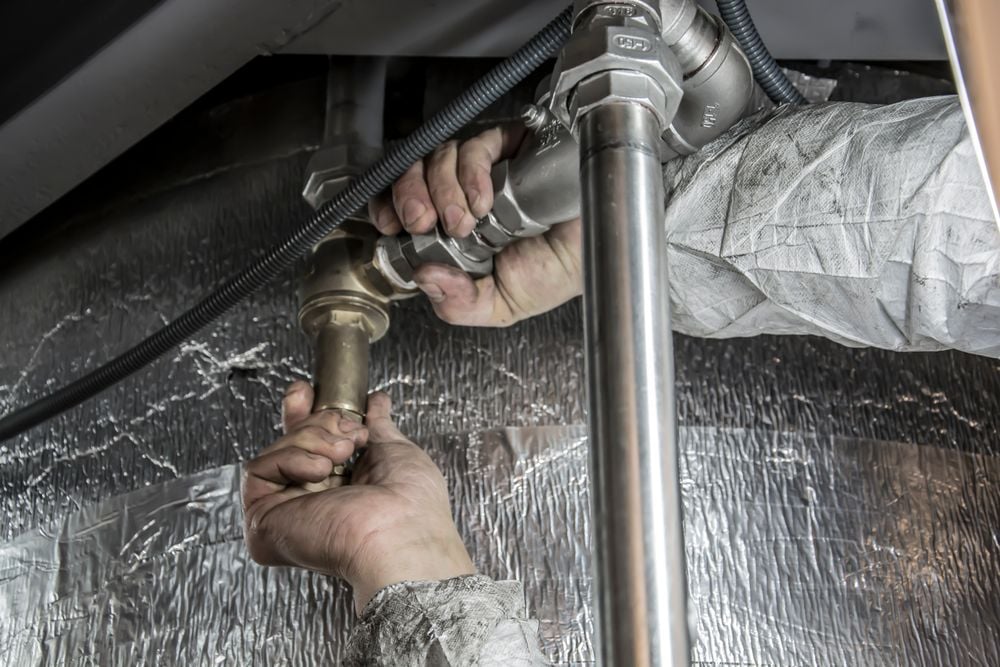
Piping, water heaters, boilers, mechanical systems, and inspection records.
Read the violation guide
Owners helping owners
We own multifamily and commercial buildings in Chicago and the suburbs. That experience taught us that the hard part is rarely finding one person to make one repair. The hard part is controlling the whole chain without losing the deadline, documentation, or next inspection.
That is why the intake starts with the form. It gives everyone one clear record of the property, notice, dates, and requested work.
Send the property detailsA clear written process
The proof starts with a defined path and clear responsibility.
The cited condition, property, jurisdiction, dates, and known official records are identified first.
The scope separates repair work from permits, plans, licensed trades, inspection preparation, and legal questions.
You are told what Chicago Violations coordinates, what belongs with a licensed professional, and when counsel is needed.
We identify the property facts, missing information, and next decision.
Request a violation assessment
Start with the property address and the situation that best matches the notice. Add the known deadline and your contact information.
Request received
We will review what you sent and follow up using the contact information provided.
This confirmation is not legal advice, a compliance decision, or an agreement to perform work.
Questions owners ask first
Start with the exact notice. Identify the cited condition, property address, compliance date, and any hearing or court information. Do not assume every violation follows the same deadline or forum. Send the notice and property details through the assessment form so the corrective path can be organized around the document you actually received.
You need a lawyer when the matter requires legal advice, a defense, an appeal, representation, or interpretation of responsibility. You need qualified design and trade professionals when the cited work requires plans, permits, or licensed work. Chicago Violations coordinates the remediation workflow and will tell you when the issue belongs with counsel instead.
No. Only the applicable department, hearing officer, court, or municipality controls its official record and outcome. Chicago Violations can coordinate assessment, corrective work, documentation, reinspection preparation, and follow-through.
Some maintenance items may be manageable by an owner. Work involving permits, structural conditions, electrical, plumbing, fire systems, or other regulated trades may require licensed professionals or approved plans. The notice and adopted code control.
The notice alone rarely defines the full repair cost. Price depends on the actual condition, access, plans, permits, licensed trades, occupied-building constraints, and inspection requirements. The first useful number comes after the condition and required path have been scoped.